CLPD Sunrise Apartments, Gunjur village ,Varthur hobli-560087

We Deliver Unpolished Pulses & Millets and cold Pressed oils and other groceries on monthly basis
Need Help? Call Us: +91 9663157788
CLPD Sunrise Apartments, Gunjur village ,Varthur hobli-560087
We Deliver Unpolished Pulses & Millets and cold Pressed oils and other groceries on monthly basis
Need Help? Call Us: +91 9663157788
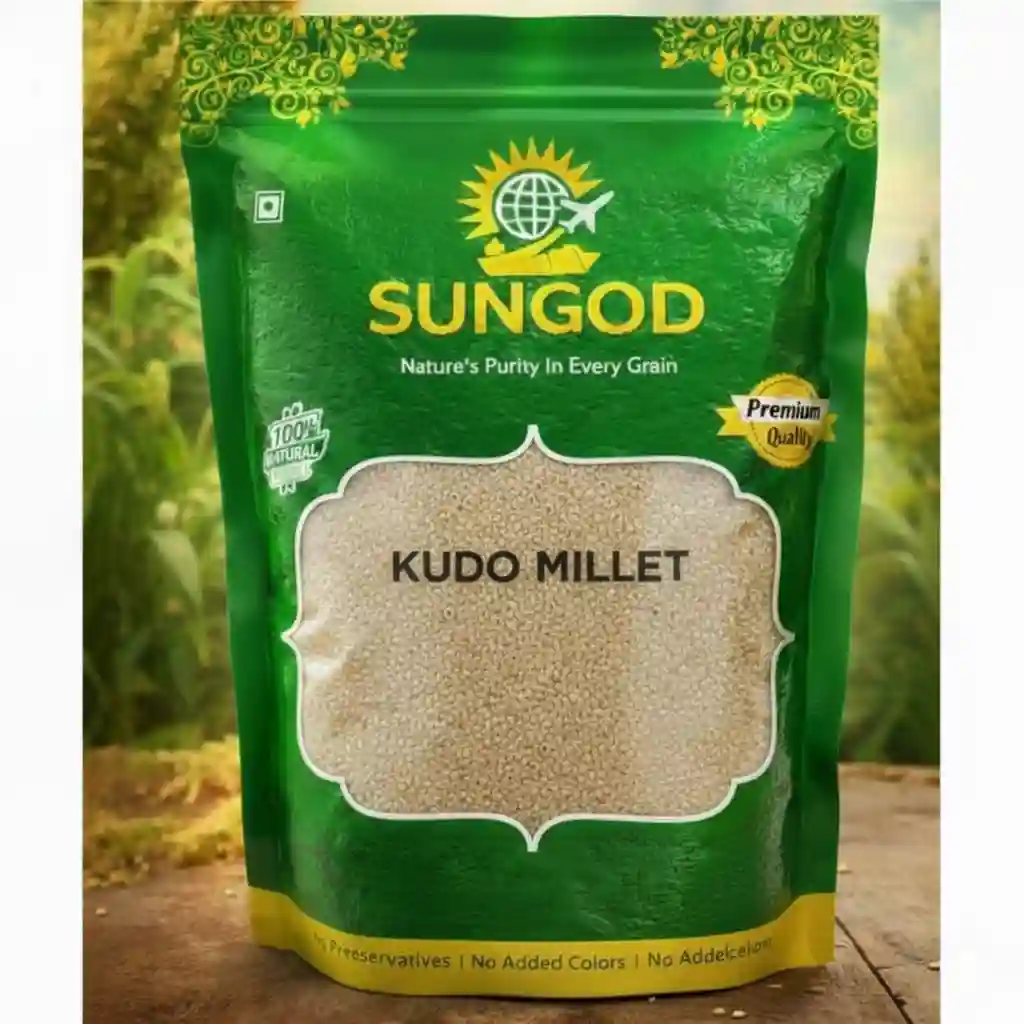
100% Natural & Unpolished Kudo Millets (అరికెలు)
Kodo millet, also known as Varagu or Arikalu, is a highly resilient ancient grain that has been a staple of traditional diets for over 3,000 years. Renowned for its exceptional fiber content and antioxidant properties, it is a premier choice for balanced, health-conscious nutrition in 2026. Key Product Highlights Fiber Powerhouse: Contains nearly 10% dietary fiber, significantly higher than rice (0.2%) or wheat (1.2%), making it excellent for long-lasting satiety and weight management. Low Glycemic Index (GI): With a GI of approximately 49, it is ideal for diabetic diets as it ensures a slow, controlled release of glucose into the bloodstream. Antioxidant Rich: Boasts the highest antioxidant potential among millets, rich in polyphenols and flavonoids that help combat oxidative stress and support heart health. Naturally Gluten-Free: A safe, nutrient-dense alternative for those with gluten sensitivities or celiac disease. Mineral & Vitamin Dense: A significant source of magnesium, iron, and B-vitamins (Niacin, B6, and Folic Acid), which support energy metabolism and the nervous system. Flavor & Culinary Uses Flavor Profile: Kodo millet has a mild, earthy, and nutty flavor with a firm, grainy texture that holds up well during cooking. Versatile Kitchen Staple: Rice Alternative: Can be cooked exactly like rice and used for healthy pulaos, khichdi, or curd rice. Breakfast Favorites: Ideal for making fluffy idlis, dosas, and savory upma. Wholesome Porridge: Can be simmered into creamy breakfast porridges or used to make traditional desserts like kheer (payasam). Note: For optimal digestion and nutrient absorption, it is recommended to soak the grain for at least 2–4 hours before cooking.